
OIL AND GAS
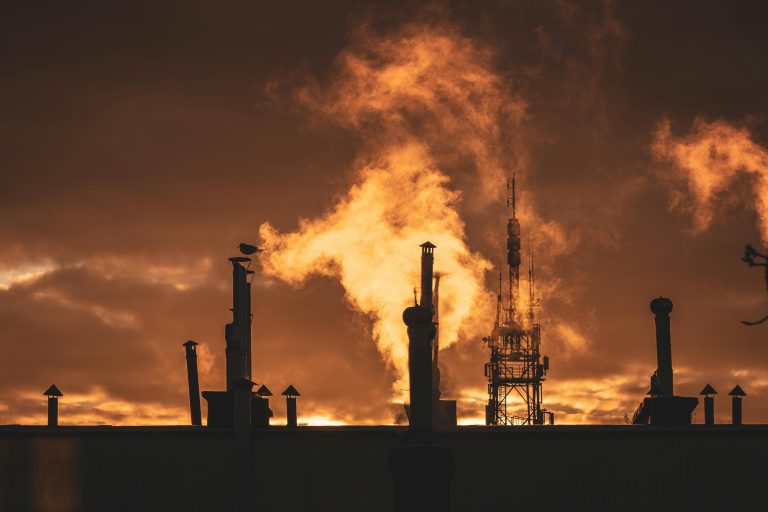
Hydrocracking Processes in Oil and Gas Refineries
Oil and gas refining involves intricate processes in which larger hydrocarbon molecules are converted into simpler ones by breaking carbon–carbon bonds. This bond cleavage requires energy, typically supplied as heat, and the reaction rate is regulated by temperature and catalysts within the hydrocracking process.
Hydrocracking units that use gas as fuel operate at exceptionally high temperatures. These intense, red-hot conditions result in the formation of high-temperature oxide scale on the exterior (fire side) of the steel tubes in the furnace.
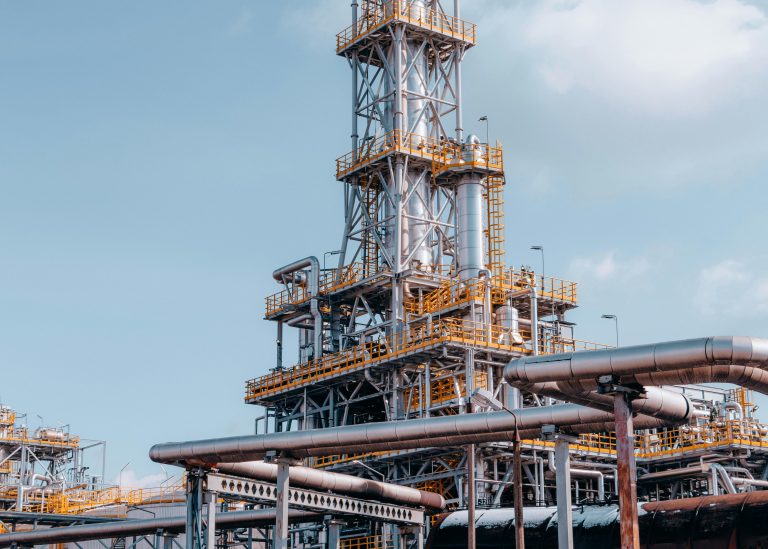
Long-Term Protection Through Advanced Ceramic Coating
Applying MATEA’s ceramic coating provides additional benefits by slowing the rate of oxide formation, helping maintain cleaner process tube surfaces for extended periods. This results in sustained efficiency gains lasting up to 8 to 10 years.
In addition to minimizing scale buildup, the ceramic coating also offers superior thermal stability and corrosion resistance under extreme operating conditions. This added layer of protection not only reduces the frequency of maintenance shutdowns but also extends the service life of furnace components. Over time, this leads to significant cost savings and improved operational reliability across refinery systems.
Our technological solutions and the benefits they deliver to refinery operations extend beyond just these services.